The Department of Natural Resources’ Power Plant Research Program (PPRP) is tasked with reviewing transmission and generation projects in Maryland after applications are submitted to the Public Service Commission. (PSC), an independent administrative agency for the state. PPRP provides information to the PSC, and the PSC ultimately decides whether a project can go forward.
Transmission projects 69 kilovolts or larger and solar facilities with a capacity over 2 megawatts are required to apply to the Maryland Public Service Commission to obtain a Certificate of Public Convenience and Necessity (CPCN) to develop and operate the project. The application then triggers the Power Plant Research Program’s environmental and socioeconomic review. The Program’s rigorous independent review is estimated to take from as little as six months for a community solar project to at least a year for transmission projects. Once complete, the Department will publicly issue its findings through the Public Service Commission. Department staff will not provide opinions about the project while the Power Plant Research Program’s review is underway in order to protect the process. The review process will examine public comments delivered at public hearings to ensure all issues have been evaluated.”
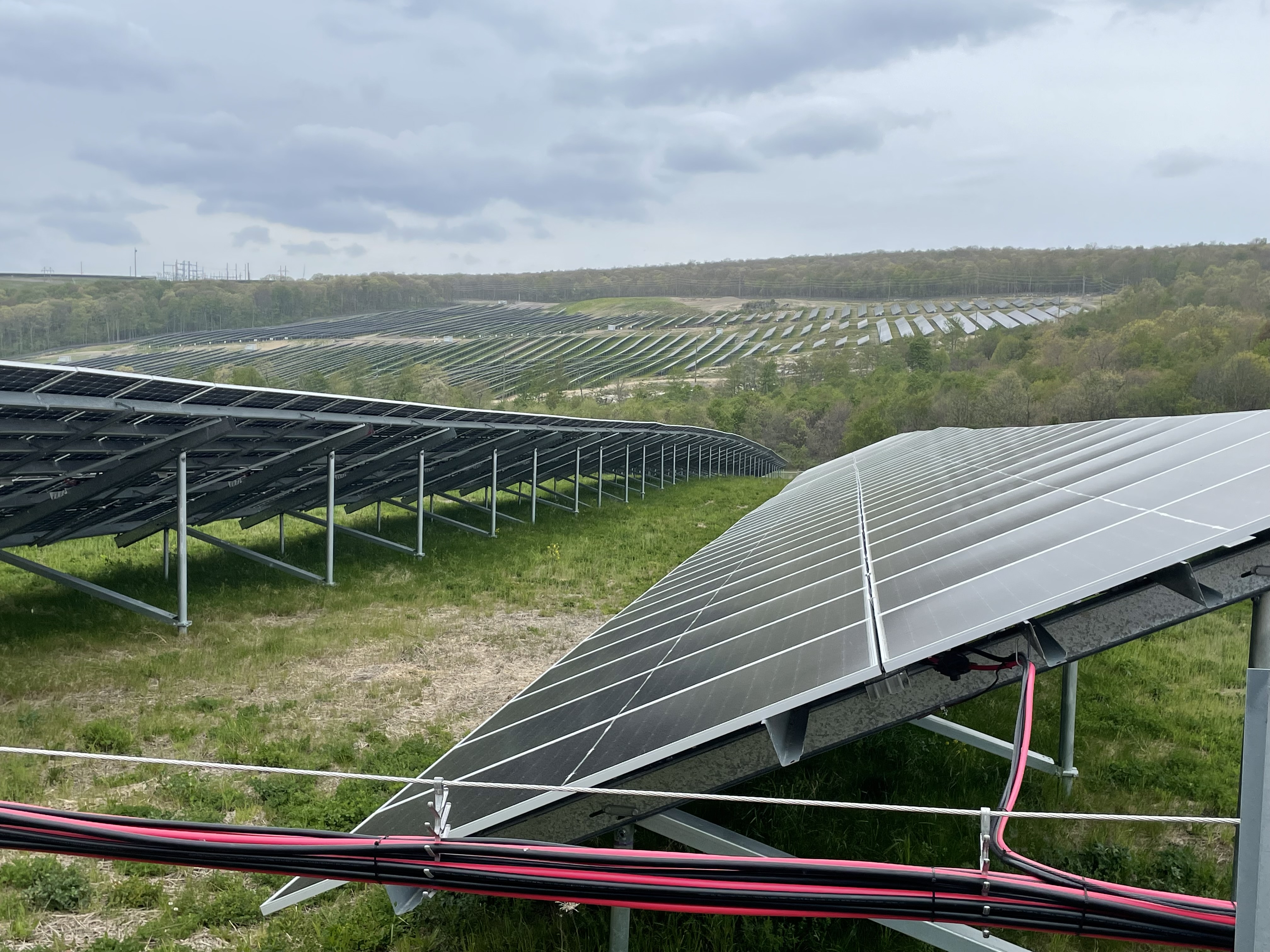
Backbone Solar operates on the site of a former coal mine in Garrett County. DNR photo
PPRP conducts comprehensive and independent analyses of the potential impact of all CPCN projects. CPCN cases are judicial proceedings, overseen by the Public Service Commission or assigned to a public utility law judge.
PPRP carries out these reviews in accordance with state law (the Natural Resources Article and the Public Utility Companies Article) and in coordination with state and federal agencies, including the Maryland Departments of Natural Resources, Environment, Agriculture, Transportation, Commerce, and Planning and the Maryland Energy Administration.
The process of a PPRP review
What is the Power Plant Research Program evaluating while reviewing the application?
Projects received by PPRP through the CPCN process are independently assessed for potential environmental and socioeconomic impacts. PPRP produces a project assessment report, recommended conditions, avoidance, or mitigation measures (if applicable), testimony, and a letter from the secretaries of DNR and the Maryland Department of the Environment recommending either denial, approval, or approval with conditions. These are submitted to the PSC in the case docket.
PPRP’s reports include the evaluation of environmental, socioeconomic, and cultural concerns, including a review of potential impacts on economic interests, agricultural resources, forests, streams, wetlands, critical areas, visual effects for nearby landowners, historical structures, and rare, threatened, or endangered species,
among other topics investigated as part of a checklist. PPRP carries out this review in coordination with relevant state agencies.
To compile the reports, PPRP uses a large, comprehensive dataset from a variety of sources. Those sources include database applications such as Merlin and Smart DG +; county and federal databases; and factual information provided during public hearings. PPRP will also conduct site visits, meet with state agencies, conduct data mining, and search the internet for all relevant available data.
PPRP will engage consultants and other technical experts if needed to fully vet the impacts of the project. This is especially important when PPRP does not have specific in-house knowledge.The PSC has the statutory authority to approve or deny the project after public hearings and parties to the case are heard before an Evidentiary Hearing.
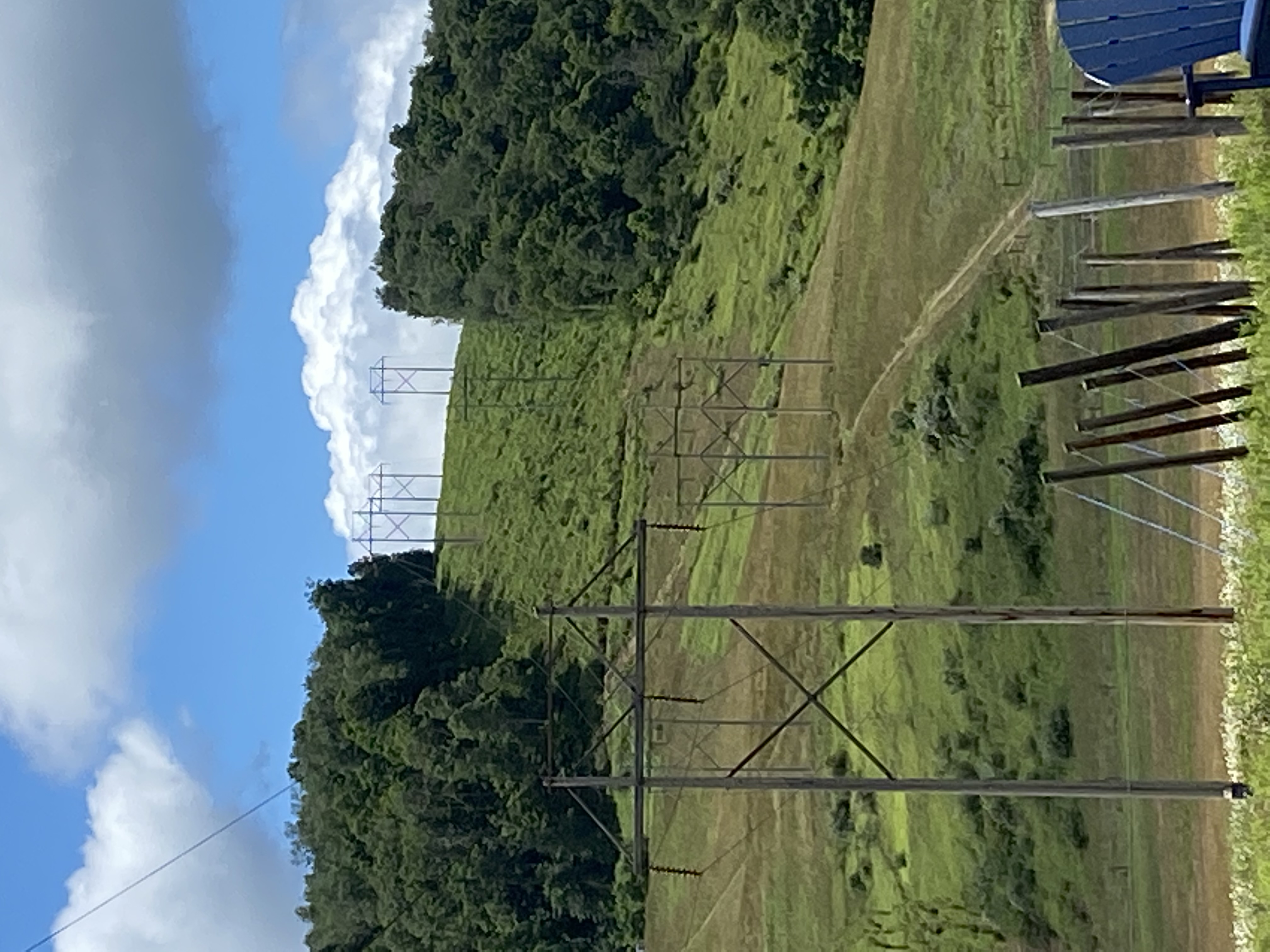
Potomac Edison transmission line right of way in Garrett County. DNR photo
What are the opportunities for public comment through PSC and other avenues?
During the review process, the Public Service Commission will hold public meetings to receive comments on the project, and PPRP will generally review these statements to ensure that the topics are addressed in its report or testimony. Written comments can also be filed with the Commission.
There will be at least one public hearing held in each County impacted by the Project close to the proposed project location. The county or local government in which the project is proposed to be located is invited to join the Commission in conducting the hearing. The public will be notified of the hearing through local news, social media accounts, websites, nearby signage, and other methods to publicize the hearing.
At the hearing, each member of the public who wishes to comment will come to the microphone when called and present an oral statement.
The Commission or a public utility law judge is present to listen to the comments. Representatives of the project applicant, Office of the People’s Counsel, and staff are present. After all members of the public have had an opportunity to comment, the hearing is adjourned.
How will DNR evaluate the application?
If PPRP detects potential impacts on Maryland’s natural and socioeconomic resources, it will recommend avoiding or minimizing each impact. The Public Service Commission is the decision-maker in all CPCN cases and will decide if and how the project can proceed, given any potential impacts. The Public Service Commission will use PPRP’s recommendations and final report, public comments, and the County’s comments in making its decision.
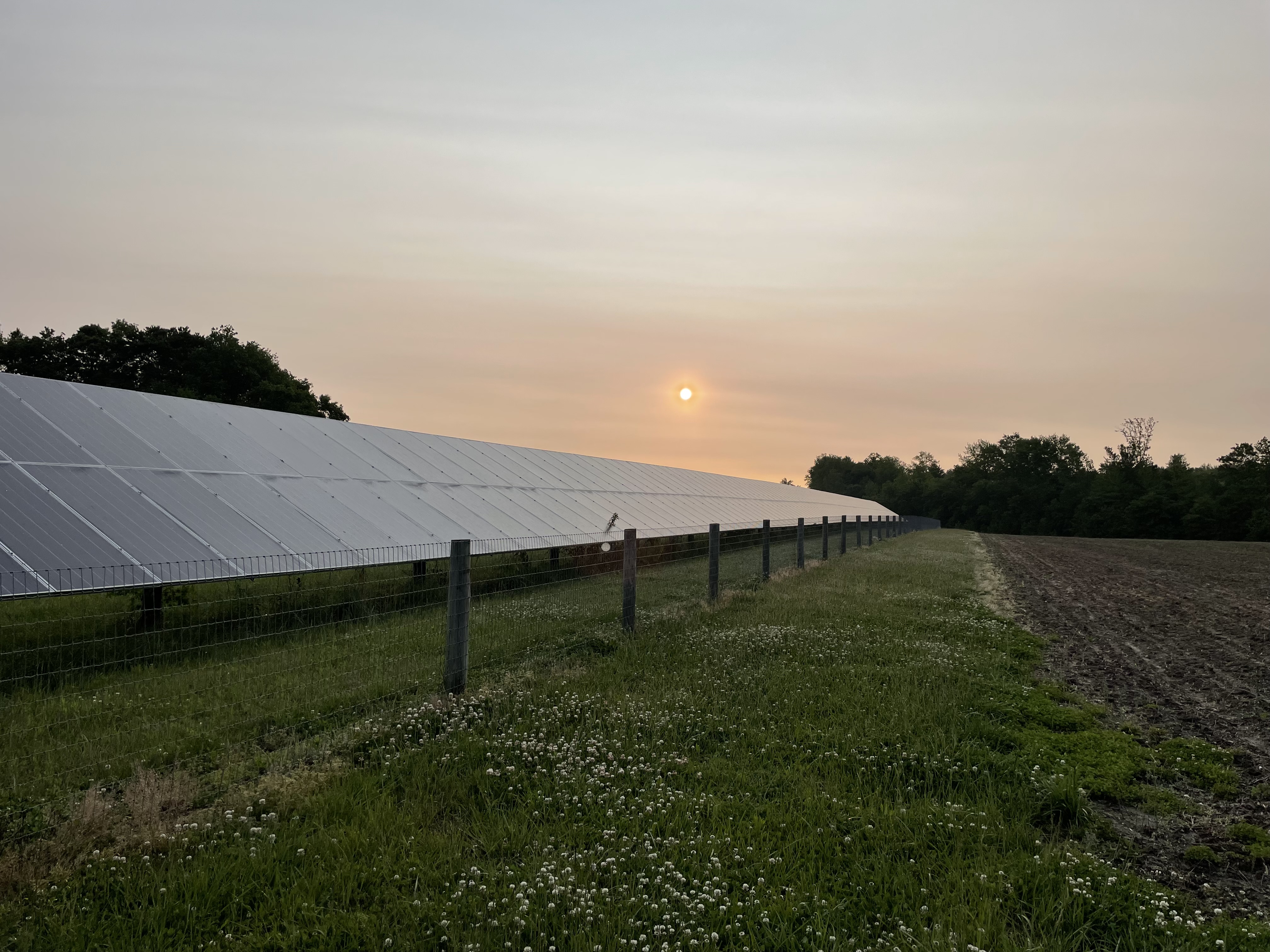
A solar project in Queen Anne’s County that uses the electricity generated to help run a chicken farm. DNR photo
What is the judicial review process?
PPRP will submit all documents, including its report and recommended license conditions, to the Public Service Commission for their approval. This is a Public Service Commission judicial process. The PPRP coordinates the testimony and positions of affected state agencies and is considered an expert witness for environmental, economic, and aesthetic analysis of the proposed project. PPRP may also provide testimony from expert witnesses in different fields of study when needed.
After at least one public comment hearing, the Public Service Commission will hold an evidentiary hearing, which involves parties of record, including PPRP. The Commission (or a public utility law judge) will review the evidence, witness testimony, and witness cross-examination, and then will issue a ruling. Any party dissatisfied with the Commission’s proposed order may first appeal the decision to the Commission and then appeal the decision in Circuit Court.
PSC Website - CPCN Review process
https://www.psc.state.md.us/electricity/wp-content/uploads/sites/2/CPCN-Process-revised-9-12-19.pdf
