REPTILE AND AMPHIBIAN DISEASES
Reptiles and amphibians are affected by a number of deadly and easily spreadable diseases, including viruses, bacterial, and fungal infections. Awareness of these and proper precautions in both wild and captive populations can have a major impact on conservation of these species. This list is not comprehensive, but does cover the most common pathogens threatening Maryland native reptiles and amphibians.
Aural abscesses
-
Animals affected: Reptiles
-
Summary: An aural or ear abscess is swelling of the middle ear, often in turtles. This is caused by bacterial or viral infection. In Maryland, aural abscesses are frequently seen in the Eastern box turtle (Terrapene carolina).
-
Resources:
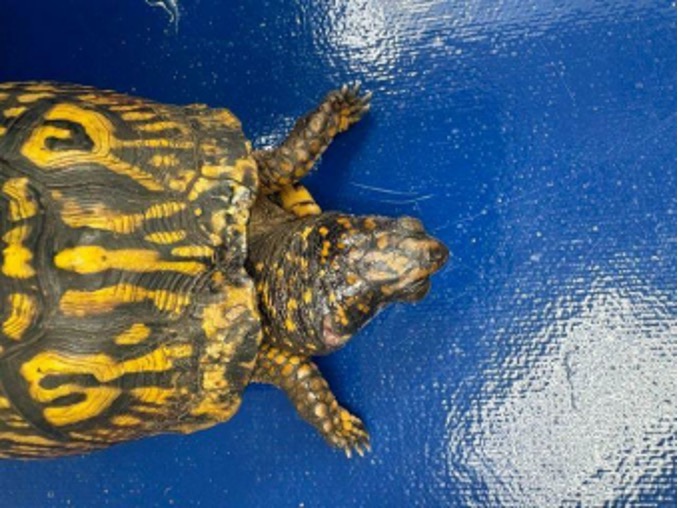
Photo Credit: Ellen Bronson, Maryland Zoo
Bd/Chytrid fungus
(Batrachochytrium dendrobatidis)
-
Animals affected: Amphibians
-
Summary: Chytridiomycosis is an infectious disease of amphibians caused by the fungus Batrachochytrium dendrobatidis (Bd). This waterborne disease attacks the skin, eventually harming multiple systems, including respiration, circulation, nutrient intake, and hydration. Bd chytrid fungus is believed to be responsible for one of the most significant disease-associated losses of biodiversity in recorded history.
-
Resources:
Bsal
(Batrachochytrium salamandrivorans)
-
Animals affected: Amphibians, especially salamanders
-
Summary: Bsal (Batrachochytrium salamandrivorans) is an infectious fungus that causes the skin disease chytridiomycosis in some amphibians. To date, the Bsal fungus has not been found in North America, but an introduction of the fungus into native amphibian populations could have devastating effects.
-
Resources:
Herpesvirus (many viruses)
-
Animals affected: Reptiles and amphibians
-
Summary: A wide array of viral pathogens in the Herpesviridae family can affect both reptiles and amphibians. These can be especially difficult to diagnose, with the virus often only shedding and detectable under certain conditions when the animal is stressed. Symptoms range from minimal clinical signs to tumors/lesions, encephalitis, respiratory tract infection, eye infections, hepatitis, and death. Prevention through best practices is the ideal as spread can be rapid and treatment complex.
-
Resources:
Ranavirus
-
Animals affected: Amphibians, reptiles, and fish
-
Summary: Ranavirus is an easily-spreadable virus that can cause severe infections in a number of cold-blooded animals. Signs in amphibians include skin hemorrhage and/or fluid accumulation, lethargy, weak swimming, and buoyancy problems. In reptiles, symptoms include lethargy, swollen eyelids, discharge from the nose or mouth, and plaques on the inside of the mouth. With a mortality rate of 90%-100% in certain species, this disease has the potential to eliminate entire populations if not controlled.
-
Resources:
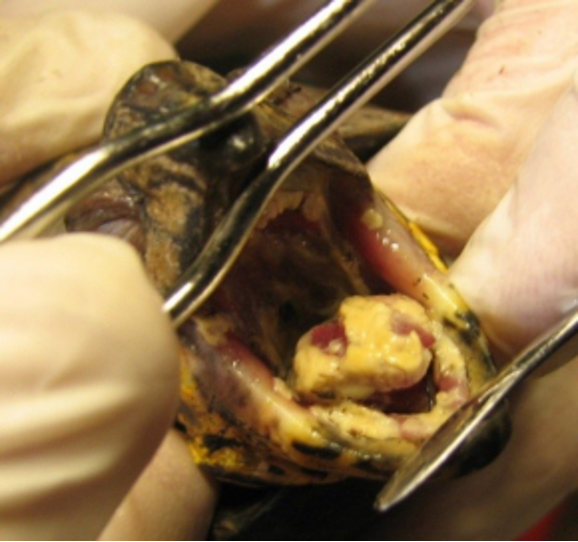
Photo Credit: Ellen Bronson, Maryland Zoo
Snake fungal disease SFD,
(Ophydiomyces ophiodiicola)
-
Animals affected: Snakes
-
Summary: Ophidiomycosis, also referred to as snake fungal disease (SFD), is caused by the fungus Ophidiomyces ophiodiicola; it is the predominant cause of skin infections in wild snakes, while also affecting captive snakes. Known species in MD affected include water snakes, racers, rat snakes, timber rattlesnakes, garter snakes, and milk snakes. The most common signs are accelerated shedding, scale abnormalities like flaking or discoloration, swelling, and disfiguration of infected tissues. The head and mouth are commonly affected areas.
-
Resources:
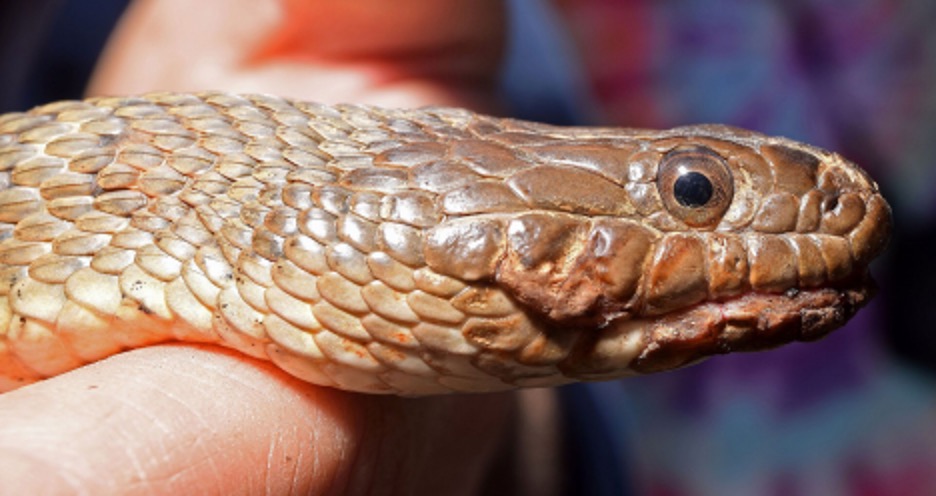
Photo Credit: Robert Aguilar, Smithsonian Environmental Research Center
Turtle fungal disease (Emydomyces testavorans and others)
-
Animals affected: Turtles
-
Summary: Multiple species of fungi can affect the skin and shells of both terrestrial and aquatic turtles, often casually referred to as “shell rot”, with potential to progress to systemic disease and fatality. Emydomyces testavorans is a recently-discovered fungus associated with freshwater habitats that causes shell damage, such as lesions and ulcerations, discoloration and flaking, increased pliability of the shell, masses, and other abnormalities. Animals can be carriers without symptoms, or experience symptoms resulting in death.
-
Resources:
Upper respiratory tracts diseases (Mycoplasmosis and others)
-
Animals affected: Reptiles
-
Summary: Upper respiratory tract disease (URTD) is a serious issue most commonly seen in wild turtles. URTD is often associated with various Mycoplasma species infections, though other bacteria can lead to this disease. Symptoms of URTD include discharge from the nose or eyes, open-mouthed breathing or wheezing, and lethargy. URTD is contagious and can be spread to healthy turtles through direct contact with an infected individual.
-
Resources:
Additional factsheets:
