A pilot program for state agricultural land: restoring soils, empowering local farmers, and connecting communities to resilient agriculture.
About the Program
The Maryland Department of Natural Resources (DNR) is launching a forward-looking effort to transform the management of agricultural lands within our state park system. Authorized under the Chesapeake Bay Legacy Act, DNR is opening select state-owned farm properties to long-term agricultural leases (up to 10 years, with potential renewal options) for farmers committed to regenerative practices and traditions.
DNR is one of the largest agricultural landowners in Maryland, managing approximately 10,000 acres of farmland. Through this new leasing initiative, public lands will serve as living models for environmentally friendly farming that rebuilds soil organic carbon, improves local water quality, restores biodiversity, and supplies fresh, locally grown food to Maryland communities.
Pioneering Innovative Farming on Public Lands
DNR’s mission is to protect people, communities, and the natural resources of Maryland through safety, trust, and shared stewardship, and farming is an important component of that. Agriculture is one of the central themes in Maryland’s rich and complex history and remains an important part of our state’s culture. It helps maintain wide open spaces and provide pastoral views that have remained unchanged despite surrounding development. Agricultural land use can also provide important food for wildlife and provide locally sourced food for nearby communities. DNR has a long history of leasing state land to private farmers to achieve these goals, and the DNR Regenerative Practices and Traditions pilot program is an exciting new tool in the toolbox to add on to the benefits of our existing agricultural portfolio.
Due to a variety of operational and ecological constraints, traditional agricultural leases may not always be the best fit for land management. With agricultural preservation a priority, DNR seeks to create a program that continues the agricultural tradition while offering increased and varied farming opportunities in these areas. The Regenerative Practices and Traditions pilot program intends to bring the benefits of regenerative farming to DNR lands across the state where the scope of this program is a better fit for local land use.
Regenerative farming practices take a systems approach to agriculture and work in tandem with natural ecological processes. These methods push farmers to consider the context of their operations and develop iterative management strategies to respond to on-the-ground conditions, while treating soil as a vibrant, living ecosystem and prioritizing inputs for structural and microbial integrity. DNR structured this pilot program to support the longer return-on-investment period, higher upfront infrastructure investments, and soil health improvement timelines associated with regenerative practices and traditions.
Core Principles
DNR intends for selected farmers to have the flexibility to make farming decisions based on local site conditions. The program will support a variety of production systems and commodity types and is not prescriptive in nature. Interested producers who prioritize the following core principles wherever possible are encouraged to apply:
-
Minimize Soil Disturbance
Traditional tilling disrupts natural soil structures, damages fungal networks, and releases stored carbon into the atmosphere. In contrast, regenerative practices employ no-till or low-till methods to protect underground microbiology, preserve soil integrity, and enhance rainwater infiltration. -
Keep Soil Covered
Bare soil is susceptible to erosion, weed invasion, temperature swings, and moisture loss. Keeping a continuous cover of living plants or thick crop residues shields the topsoil from rain damage, reduces nutrient runoff, and helps keep soil cooler during hot summer days. -
Increase Biological Diversity
Monoculture cropping, which involves growing a single crop over extensive areas, makes farms susceptible to pests, diseases, and extreme weather events. In contrast, regenerative systems employ diverse crop rotations, polycultures, and intercropping to create resilient ecosystems that support natural habitats and supply nectar for native pollinators and beneficial insects. -
Maintain Living Roots
Plant roots play a crucial role in forming soil. Maintaining deep, living roots throughout the year with perennial pastures or cover crop mixes helps farmers constantly nourish soil microbes and draw atmospheric carbon into the soil. -
Integrate Livestock (Where Possible)
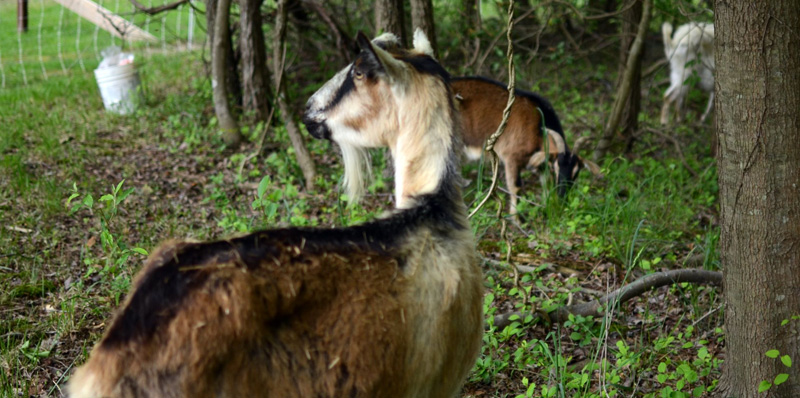
In natural ecosystems, grazing animals are essential for nutrient cycling and promoting plant growth. Managed rotational grazing involves systematically moving livestock between fenced paddocks, allowing plants to rest and recover while enriching the soil with organic fertilizer.
Supporting Farmers & Local Communities
Beyond healing the landscape, this program creates vibrant economic and public opportunities across Maryland:
Farmland prices in Maryland are among the highest in the nation, creating a massive obstacle for new and beginning producers. Providing long-term access to state-owned land opens doors for new, beginning, and historically underserved farmers who might otherwise be priced out of land ownership.
Participating farms are designed to be an active part of the community. Farms will offer public events, hands-on volunteer days, and educational programs that link local history with modern environmental stewardship.
The program supports small-scale farming operations that supply fresh, locally grown produce and agricultural products directly back to nearby communities.
Lease Expectations & How Farmers Apply
To ensure success, DNR evaluates proposals through a Request for Proposals (RFP) process based on applicant experience, proposed public engagement, financial viability, and adherence to regenerative principles.
Once selected, tenants work with DNR, the local Soil Conservation District, and the Maryland Department of Agriculture to develop and maintain:
An Annual Agricultural Plan: Outlining seasonal cropping, soil testing results, and conservation practices.
A Soil and Water Quality Plan: Establishing conservation buffers, grassed waterways, and erosion control measures.
A Nutrient Management Plan: Ensuring proper nutrient application in compliance with state regulations.
A Managed Grazing Plan (if applicable): Detailing paddock rotations, water access, fencing, and animal welfare standards.
An Annual Public Engagement Workplan: Detailing scheduled educational events, community visits, and volunteer opportunities.
